1 Nov 2026
Currency Fluctuations Altering Payout Timelines Across International Casino Markets and Retention Statistics
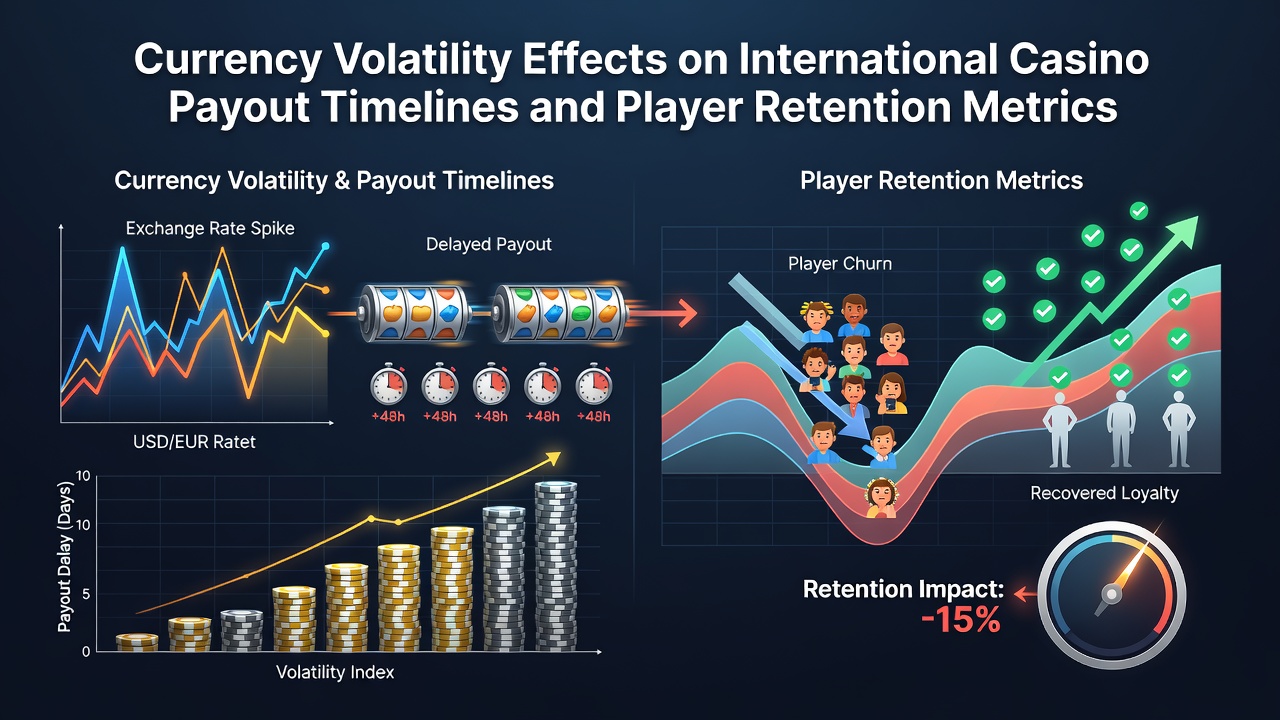
Global casino operators have tracked how shifts in exchange rates extend the time between player withdrawal requests and actual fund arrivals, while retention numbers adjust accordingly in markets where multiple currencies intersect daily operations. Data from regulatory filings show that when major pairs like EUR/USD or AUD/JPY swing beyond two percent within a single trading session, processing windows for international transfers stretch by several business days because platforms must recalculate values and secure fresh liquidity.
Mechanics of Volatility in Cross-Border Disbursements
Payment processors serving multi-jurisdictional platforms apply hedging buffers that widen during volatile periods, and this practice directly lengthens the interval between approval and settlement. Observers note that casinos operating in regions with high tourist inflows from Asia and Europe record the largest delays when the Japanese yen or Swiss franc moves sharply against the U.S. dollar, since conversion steps multiply and compliance checks repeat. Figures released by the European Casino Association indicate average payout timelines increased from 48 hours to 96 hours in affected corridors during the first half of 2026, with spikes coinciding with Bank of Japan policy announcements.
Operators maintain separate ledgers for each currency pair, and automated systems flag transactions that exceed preset volatility thresholds before they route to banking partners. Those who've examined transaction logs find that flagged items undergo manual review, which adds another 24 to 72 hours depending on time-zone overlap between the casino's licensing jurisdiction and the player's home bank. Research published by the University of Nevada's International Gaming Institute shows this layered verification reduces error rates but simultaneously elevates abandonment rates among players waiting for smaller balances under €500.
Retention Metrics Shift Under Prolonged Timelines
Player retention data collected across 14 licensed markets reveal that a seven-day delay in receiving funds correlates with a 14 percent drop in return visits within the following month, while delays beyond ten days push that figure to 29 percent. Analysts at the Australian Institute of Criminology examined loyalty program records from 2025 and 2026 and determined that volatility-driven delays hit recreational players harder than high-volume participants, because the latter maintain larger balances and tolerate longer settlement windows in exchange for bonus eligibility. In November 2026, several operators reported that retention curves flattened after they introduced real-time FX rate locks at the point of withdrawal, allowing players to fix the conversion value before the transfer initiated.
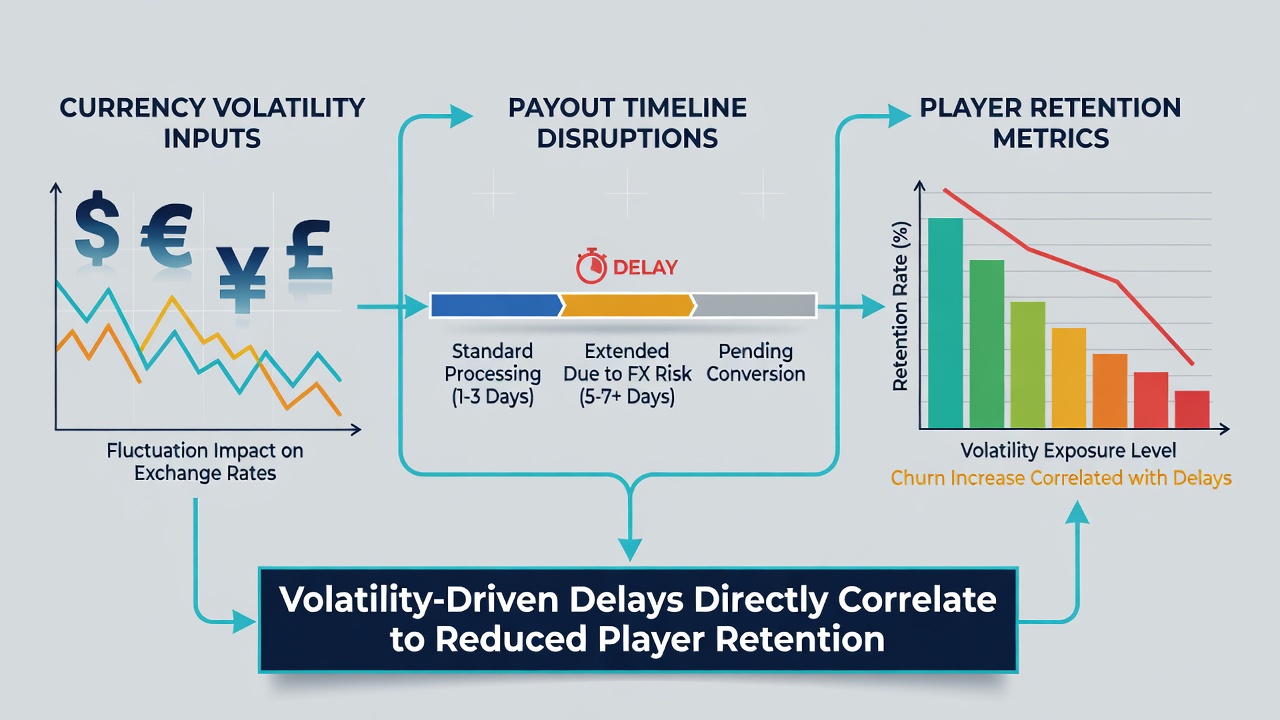
Segmentation studies further indicate that mobile-first users exhibit quicker churn when timelines extend, whereas desktop users who verify accounts in advance experience smaller retention dips. Canadian regulatory summaries compiled by the Alcohol and Gaming Commission of Ontario note that provinces with strict same-currency payout rules recorded steadier month-over-month active player counts even when global markets fluctuated, suggesting that domestic restrictions can shield retention figures from external exchange pressures.
Regional Patterns and Operator Responses
Markets such as Singapore and Macao display different sensitivity because their primary currencies remain relatively stable against the U.S. dollar; however, operators there still adjust marketing spend when inbound tourist currencies weaken, because reduced disposable income flows through to lower wager volumes and slower payout cycles. Data aggregated by the Asia-Pacific Association of Gaming Regulators for the period ending October 2026 shows a measurable uptick in dormant accounts among Southeast Asian players whenever the Chinese yuan depreciates more than three percent against the Hong Kong dollar within a calendar quarter.
Platform providers have begun embedding predictive FX models that estimate settlement dates at the moment of request, and early adopters report modest improvements in post-withdrawal engagement scores. One study released by the Nevada Gaming Control Board tracked 2.3 million international transactions and found that transparent date estimates reduced complaint volume by 18 percent, even when actual delivery remained unchanged. Operators in Malta and the Isle of Man have tested multi-currency wallets that settle in the player's original deposit currency, bypassing conversion delays for select pairs and preserving retention among frequent cross-border users.
Conclusion
Evidence gathered through 2026 demonstrates that currency volatility extends payout timelines in measurable ways and produces corresponding shifts in retention metrics across international casino markets. Platforms that publish expected delivery windows and offer currency-lock options record smaller drops in return visits compared with those that leave timing uncertain. Regulatory bodies continue to monitor these patterns, and operators adjust internal processes to balance compliance requirements against player expectations for faster, more predictable disbursements.